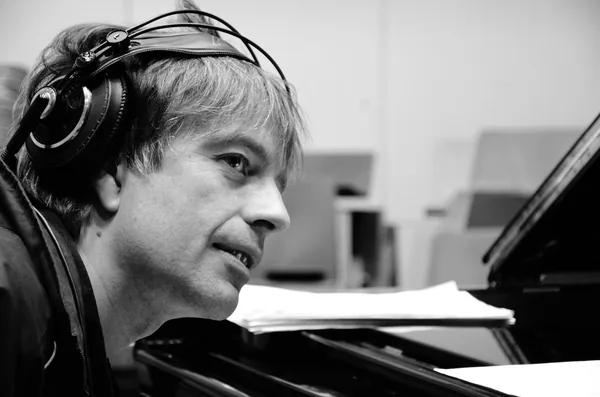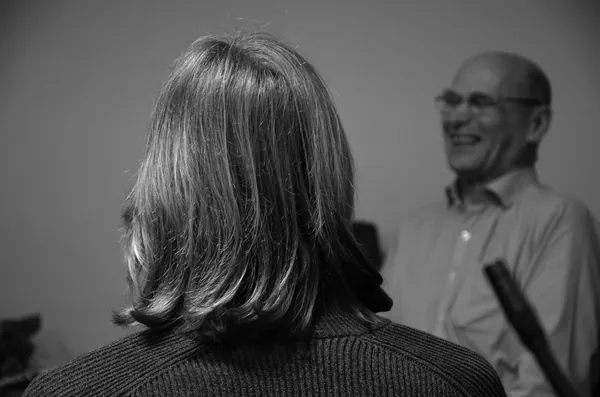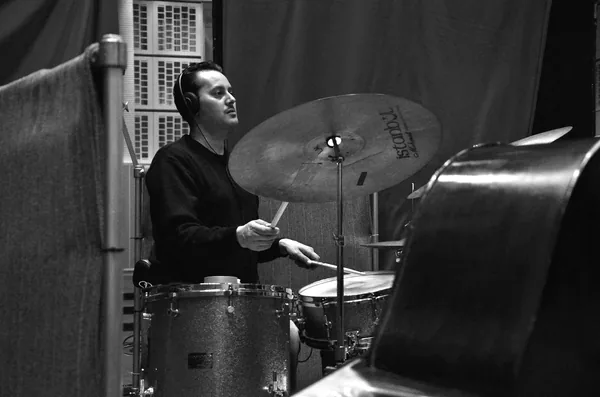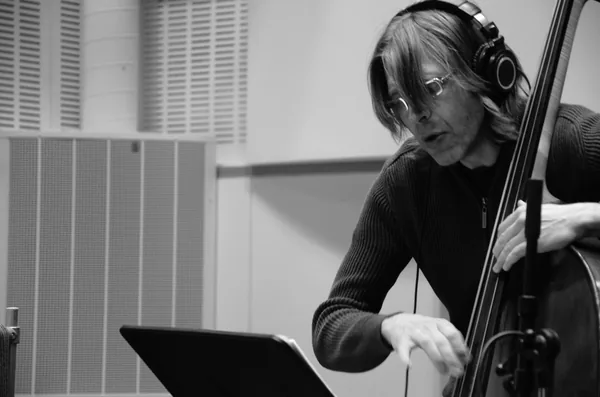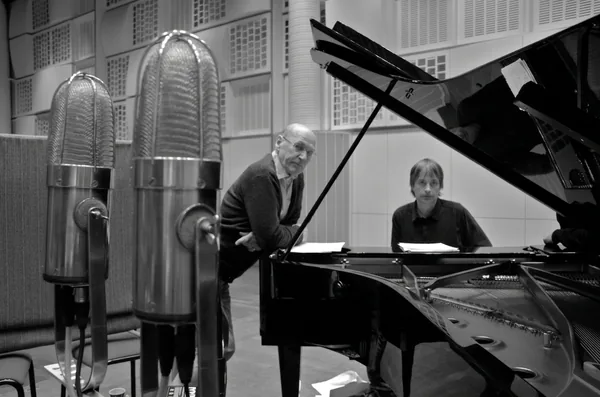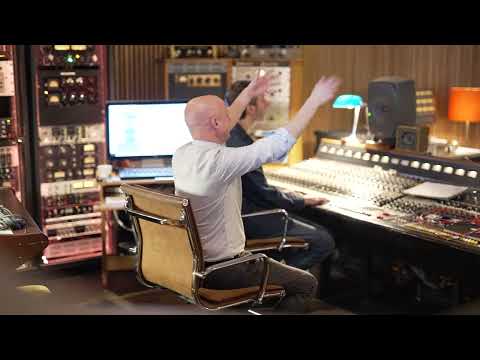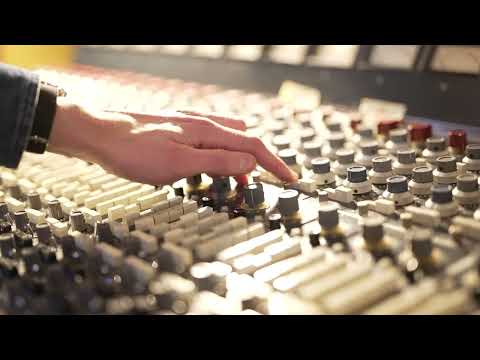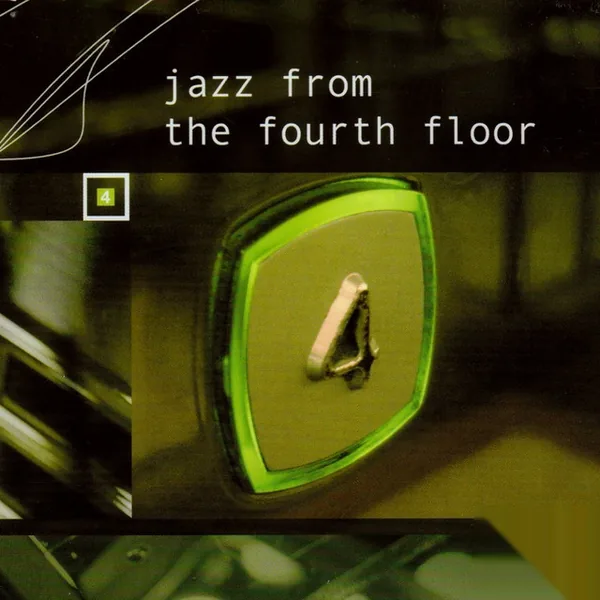
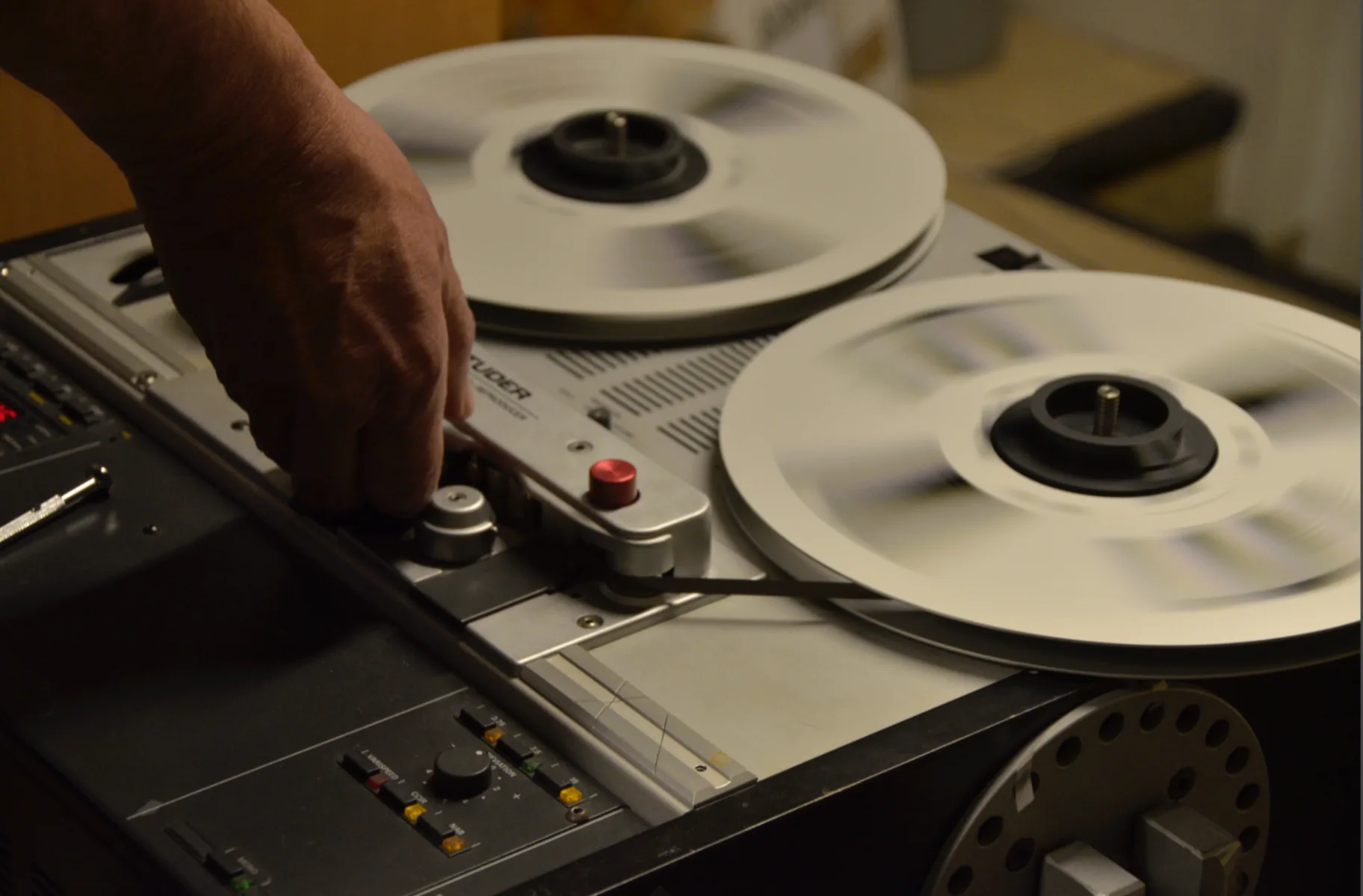
Gert Palmcrantz began recording music in 1959. During the early 1970s, while recording some of the last folk musicians in the forests of Northern Sweden, he realized that dragging heavy equipment into the woods was impractical, so he brought only the essentials: two Neumann U47 microphones and a Nagra IV-S — nothing more. There was no isolating instruments, no separate takes, no fixing it later. Whatever happened there is what went to tape.
What he learned from that limitation was not only a technical lesson — it was a human one. When a recording cannot be edited or repaired, musicians cannot afford to focus only on their own part. They have to listen to one another, adjust to one another, find the compromise that lets the ensemble work in real time. That compromise — not individual perfection — is what gives a performance its life. In 1976, Gert recorded Jazz at the Pawnshop the same way: live, direct to two-track ¼" tape, no second chances. It remains one of the most celebrated live jazz recordings ever made — proof that the discipline was never a limitation. It was the method.
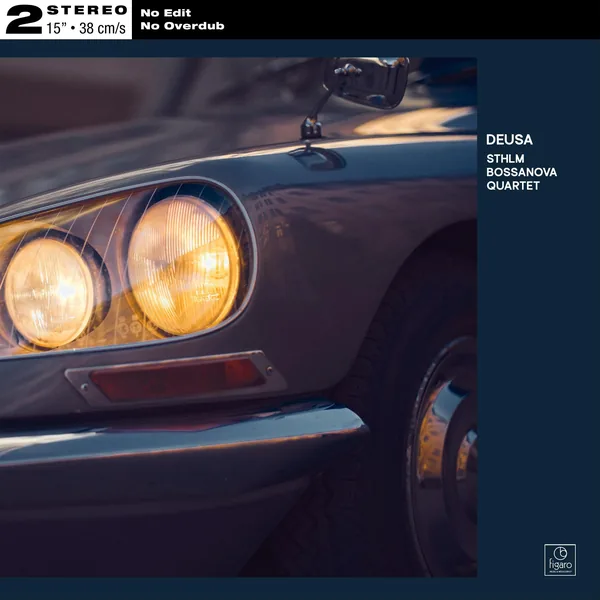
In 2009, his son Eric founded Figaro Music to carry that same discipline forward, by choice rather than necessity. No edits. No overdubs. Every record committed live to ¼" tape, in one unbroken performance — because musicians who cannot hide behind a fix play with more trust, more generosity, and more of themselves.
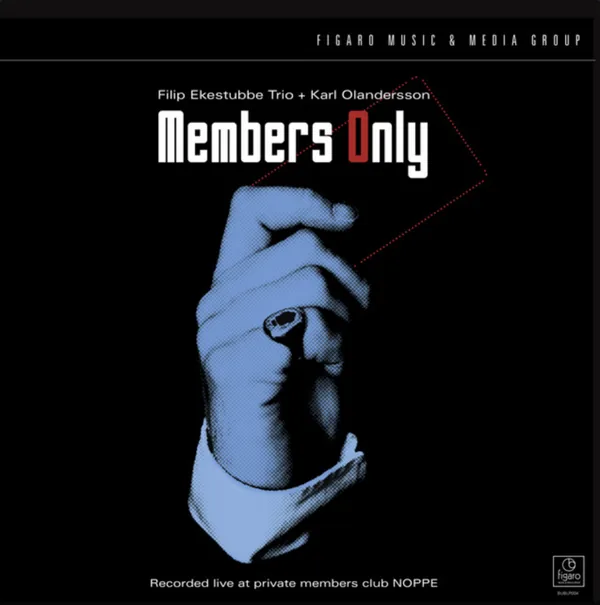
Figaro exists for the difference.